10 Indoor Gardening Mistakes Beginners Make
The recurring problems that discourage new indoor gardeners, and the small adjustments that prevent them.
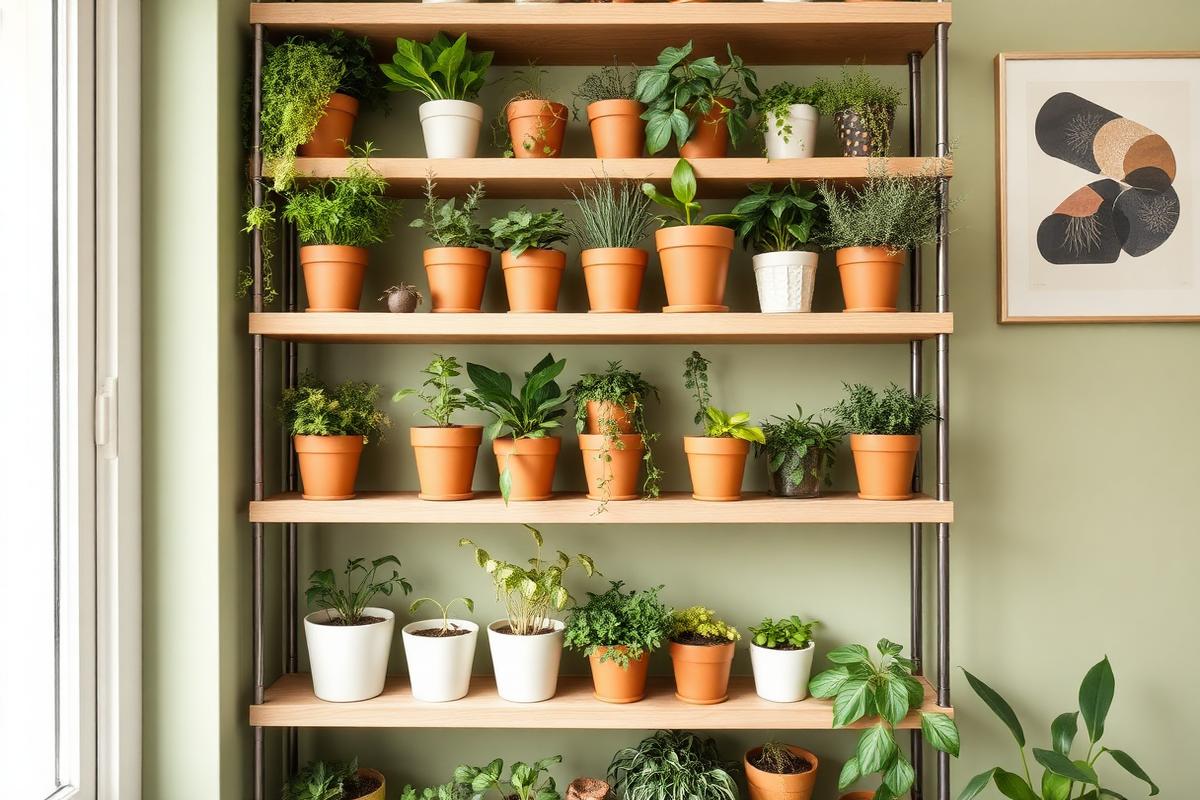
Most indoor gardening setbacks come from a short list of avoidable causes. Recognizing them early keeps a first attempt from becoming a last attempt.
The ten most common
1. Starting with too many plants
A large first setup is difficult to keep up with. Begin small and expand once the routine is comfortable.
2. Underestimating light
A spot that feels bright to the eye may still be dim for a fruiting vegetable. Choose plants to match the light, or add a light.
3. Overwatering
Watering on a fixed schedule rather than checking the soil is the usual cause.
4. Pots without drainage
Decorative pots with no holes trap water around the roots.
5. Using garden soil
It compacts in containers and drains poorly indoors.
6. Containers that are too small
Roots run out of room, and the mix dries out almost daily.
7. Never rotating plants
Plants lean toward the light source and grow lopsided if they are not turned regularly.
8. Harvesting too timidly
Many herbs and greens become bushier and more productive with regular light harvesting.
9. Ignoring airflow and temperature
Cold glass, hot vents and stagnant corners all affect how plants perform.
10. Giving up after one failure
A failed tray is information about your space, not a verdict on your ability.
How to recover from the four most common ones
Overwatering
Symptoms: yellowing lower leaves, permanently damp mix, a sour smell. Recovery: stop watering, empty the saucer, move to a brighter and airier spot, and only water again when the top 1 inch is dry. If the roots are brown and mushy rather than white and firm, repot into fresh mix and cut away the damaged roots.
Too little light
Symptoms: long bare stems, small pale leaves, plants leaning hard toward the window. Recovery: move within 12 inches of the glass or add an LED 8-10 inches above the plants for 12-14 hours a day. Pinch the stretched growth back to a healthy leaf pair so new, compact growth replaces it.
Pots without drainage
Symptoms: water sitting on the surface, mold, sudden collapse. Recovery: repot into a container with holes, or drill them. Gravel at the base of a sealed pot does not substitute for drainage — it just raises the waterlogged zone.
Harvesting too hard or too late
Symptoms: a plant that never recovers after cutting, or bitter, bolting salad. Recovery: take no more than a third of any plant at a time, pick outer leaves and leave the growing center, and resow lettuce every three to four weeks rather than expecting one pot to last forever.
A worked example: rescuing a grocery store basil
Those pots hold 15-20 seedlings crammed into a plug that dries out in hours. Split the rootball into three or four clumps, pot each into a 5-inch pot of fresh mix with a little perlite, water once, place under bright light, and pinch every stem above its second leaf pair. Roughly three weeks later you have three bushy plants instead of one exhausted clump — the same fix works for grocery store cilantro and parsley.
Frequently asked questions
More answers across every topic live on our indoor gardening FAQ.
The Growing Nook Editors
Editorial team
The Growing Nook editors write beginner-friendly indoor gardening guides based on small-space growing: windowsill herbs, salad pots, microgreen trays and shelf setups under LED lights. Every method here is written to be repeatable in an ordinary apartment or kitchen.
Related reading
Indoor Gardening for Beginners: How to Start Your First Garden
A calm, step-by-step starting point: what to grow first, what you actually need to buy, and how to set up a small indoor garden you can keep alive.
9 min read
Indoor Garden Soil: What Beginners Actually Need
Potting mix, drainage and containers explained without jargon, plus why garden soil belongs outside.
6 min read
How Often Should You Water an Indoor Garden?
There is no universal schedule. Here is how to read your own plants, soil and room instead of guessing.
6 min read
Enjoyed this guide?
Get occasional indoor gardening tips and inspiration by email.