Indoor Gardening for Beginners: How to Start Your First Garden
A calm, step-by-step starting point: what to grow first, what you actually need to buy, and how to set up a small indoor garden you can keep alive.
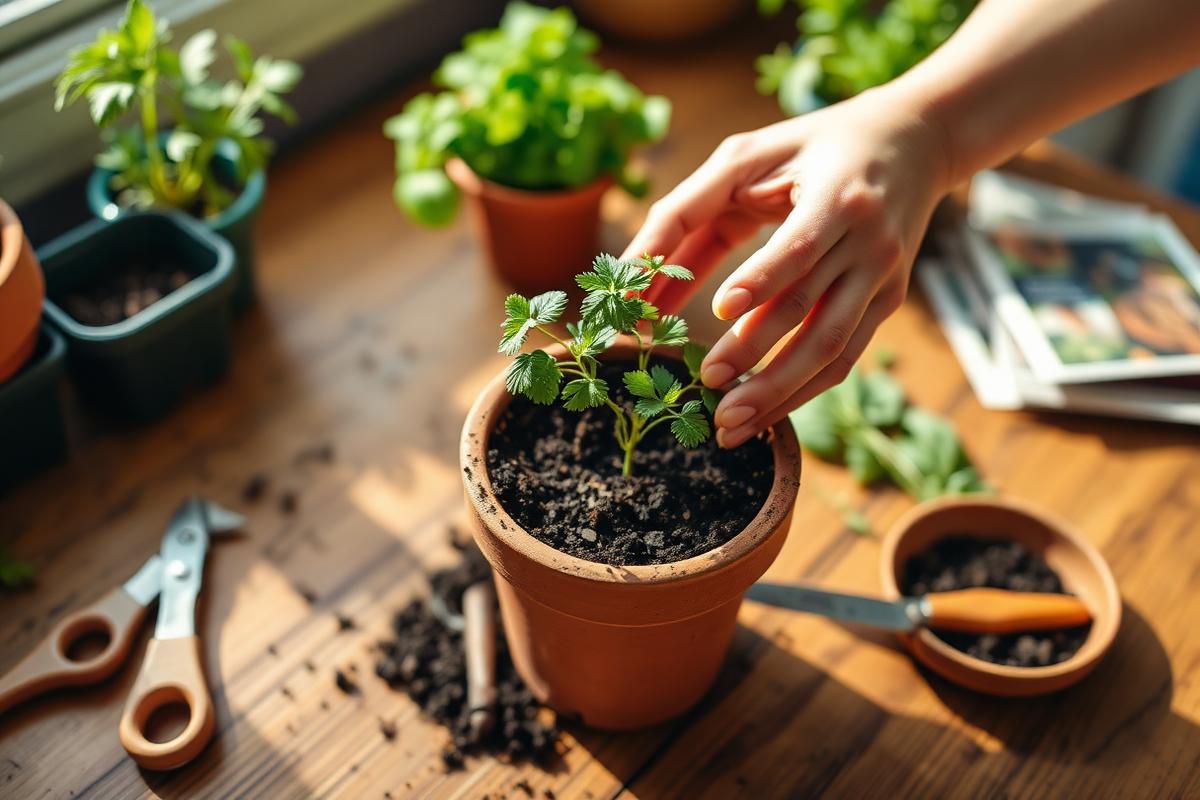
Starting an indoor garden does not require a spare room, a greenhouse, or previous gardening experience. It requires one plant you actually want to eat, a container with drainage, and a spot with light. Everything after that is refinement.
Start with one small, forgiving plant
New indoor gardeners often begin with too many plants at once, then lose track of watering. Choosing a single fast-growing crop makes the learning loop short: you see the result of your care within weeks rather than months.
- Leafy greens such as loose-leaf lettuce grow quickly and can be harvested a few leaves at a time.
- Herbs like basil, mint and chives are used often in cooking, so you visit them daily.
- Microgreens give a harvest in a very short window and need almost no space.
What you actually need to buy
A beginner setup is short. You can add equipment later once you know how you like to grow.
- A container with drainage holes and a tray underneath
- A bag of potting mix intended for containers, not garden soil
- Seeds or a starter plant
- A small watering can or cup
- A grow light if your space has limited natural light
Choose the right spot
Light is the constraint that decides most indoor gardens. Spend a day noticing where sunlight lands in your home and for how long. A south-facing window in the northern hemisphere generally receives the most direct light; north-facing windows receive the least.
If you have a bright window
Place your container as close to the glass as practical and rotate it every few days so the plant grows evenly rather than leaning.
If your light is limited
A small LED grow light on a timer removes the guesswork. See our guide to choosing a grow light for indoor plants for a beginner-level walkthrough.
Planting and the first few weeks
Fill the container with moist potting mix, sow seeds at the depth printed on the packet, and keep the surface consistently damp until seedlings appear. Once plants are established, water less often but more thoroughly, letting excess drain away.
Build a simple routine
Indoor gardening works best as a small daily habit rather than a weekend project. A one-minute check each morning covers almost everything: look at the leaves, feel the soil, adjust the light if the plant is stretching toward it.
A four-week starter plan
This is the schedule we hand to first-time growers. It uses one 6-inch pot of loose-leaf lettuce and one basil plant, because between them they teach watering, light and harvesting.
Week 1 — sow and settle in
- Fill the pot to 1 inch below the rim with damp potting mix and firm it gently; do not compact it.
- Scatter around 20 lettuce seeds across the surface, cover with a quarter inch of mix, and mist until the surface is evenly dark.
- Set the pot in your brightest spot, or 10-12 inches under an LED light running 14 hours a day on a timer.
- Expect seedlings in 5-10 days. Keep the surface damp but never sodden during this stage only.
Week 2 — thin and start the finger test
- Snip the weakest seedlings at soil level with scissors until the survivors sit about 2 inches apart. Pulling them disturbs neighboring roots.
- Switch from misting to watering: push a finger 1 inch into the mix, and water thoroughly only when it feels dry at that depth.
- Rotate the pot a half turn every couple of days so the plants grow upright instead of leaning.
Week 3 — first small harvest
- Once plants are about 4 inches tall, pick two or three outer leaves per plant and leave the center growing point untouched.
- Pinch your basil above a pair of leaves as soon as it has four sets; that single cut is what turns one stem into a bush.
Week 4 — settle into a routine
- You should now be cutting a small salad every few days from the same pot.
- Feed with a half-strength liquid fertiliser once the bagged mix is a month old, since most container mixes carry only four to six weeks of nutrients.
What this looks like in a real kitchen
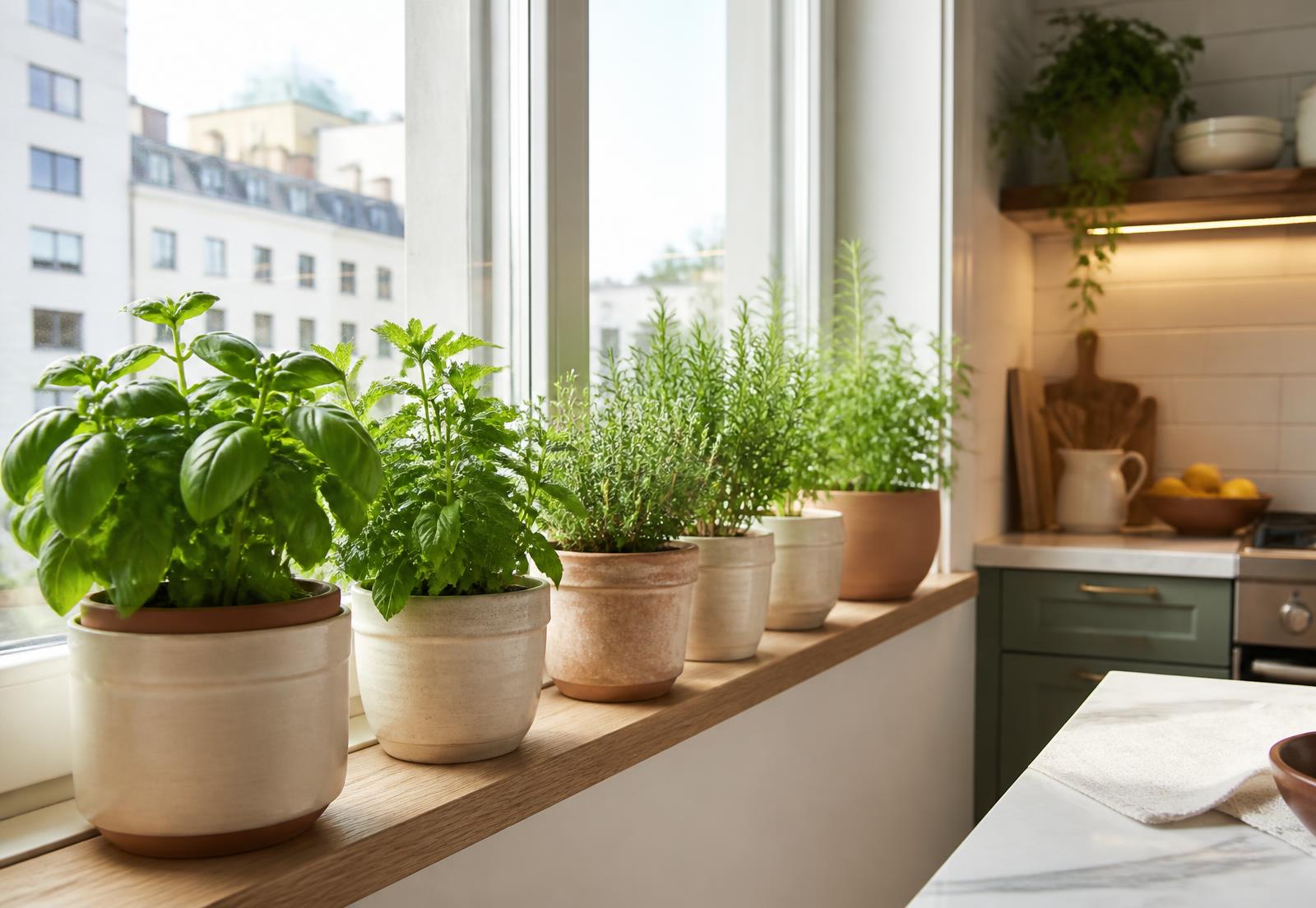
A typical setup that works: an east-facing kitchen window, a 6-inch terracotta pot of 'Salad Bowl' lettuce on the sill, a basil plant beside the coffee maker, and a 20W clip-on LED aimed at both from October to March. Total outlay is roughly the price of two grocery store herb pots, and the lettuce keeps cutting for eight to ten weeks before it turns bitter and gets resown.
Frequently asked questions
More answers across every topic live on our indoor gardening FAQ.
The Growing Nook Editors
Editorial team
The Growing Nook editors write beginner-friendly indoor gardening guides based on small-space growing: windowsill herbs, salad pots, microgreen trays and shelf setups under LED lights. Every method here is written to be repeatable in an ordinary apartment or kitchen.
Related reading
Indoor Garden Soil: What Beginners Actually Need
Potting mix, drainage and containers explained without jargon, plus why garden soil belongs outside.
6 min read
How Often Should You Water an Indoor Garden?
There is no universal schedule. Here is how to read your own plants, soil and room instead of guessing.
6 min read
10 Indoor Gardening Mistakes Beginners Make
The recurring problems that discourage new indoor gardeners, and the small adjustments that prevent them.
7 min read
Enjoyed this guide?
Get occasional indoor gardening tips and inspiration by email.