Indoor Garden Soil: What Beginners Actually Need
Potting mix, drainage and containers explained without jargon, plus why garden soil belongs outside.
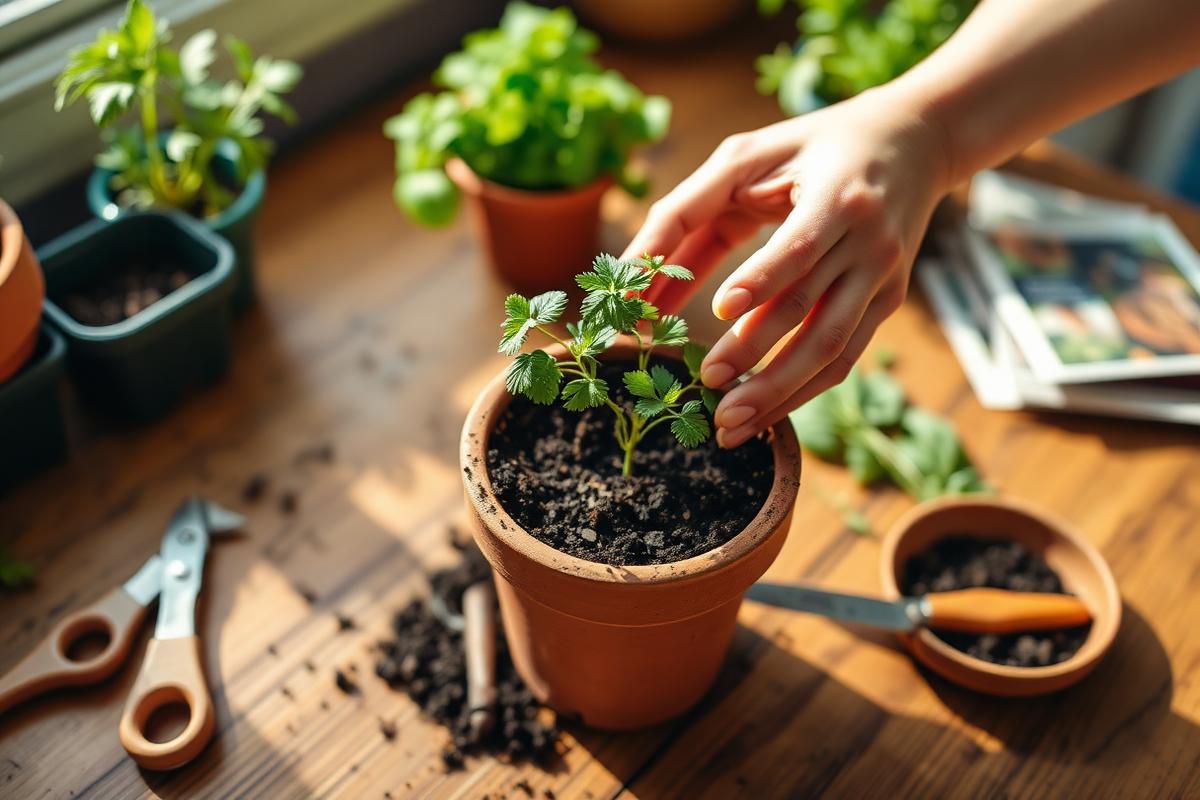
Soil is where a lot of beginner indoor gardens quietly go wrong. The good news is that the decision is simple once you know what a container needs.
Use a potting mix, not garden soil
Soil dug from outside compacts in a pot, drains poorly, and can bring pests indoors. Bagged potting mixes are formulated to stay open and drain, which is what roots in a container need.
Drainage is part of the soil decision
A pot without drainage holes traps water at the base regardless of the mix you use. Choose containers with holes and put a tray underneath.
Do you need to add anything?
Most bagged mixes are adequate as they come. Some growers add extra perlite for plants that prefer sharp drainage, such as thyme and rosemary.
Feeding over time
Container mixes hold a limited supply of nutrients, so plants kept for months typically need feeding at some point. Follow the instructions on whatever product you choose.
Choosing and mixing your soil, step by step
- 1. Buy a peat-free multipurpose or container potting mix. Never use garden soil in pots — it compacts, drains poorly and brings pests indoors.
- 2. For herbs and vegetables, add roughly one part perlite to four parts mix. This is the single cheapest upgrade for drainage.
- 3. For thyme, rosemary, oregano and other dry-loving herbs, go up to one part perlite or grit to three parts mix.
- 4. Moisten the mix in a bucket before potting until it holds together when squeezed but drips nothing.
- 5. Fill pots loosely and settle with water rather than pressing down — compacted mix suffocates roots.
Feeding: what bagged mixes leave out
Most potting mixes contain enough nutrients for four to six weeks. After that, growth slows and older leaves go pale from the bottom up. From week five, feed with a balanced liquid fertiliser at half the label strength every two weeks during active growth, and stop or halve again in winter when light is low.
Real mixes for real crops
- Salad and leafy greens: 4 parts potting mix, 1 part perlite. Repot or refresh after each crop.
- Herbs (basil, parsley, chives): 4 parts mix, 1 part perlite, and a pinch of slow-release feed at potting.
- Mediterranean herbs: 3 parts mix, 1 part perlite or horticultural grit, in a terracotta pot that breathes.
- Microgreens: plain mix, 1.5 inches deep, used once and then composted or reused for larger pots.
Frequently asked questions
More answers across every topic live on our indoor gardening FAQ.
The Growing Nook Editors
Editorial team
The Growing Nook editors write beginner-friendly indoor gardening guides based on small-space growing: windowsill herbs, salad pots, microgreen trays and shelf setups under LED lights. Every method here is written to be repeatable in an ordinary apartment or kitchen.
Related reading
Indoor Gardening for Beginners: How to Start Your First Garden
A calm, step-by-step starting point: what to grow first, what you actually need to buy, and how to set up a small indoor garden you can keep alive.
9 min read
How Often Should You Water an Indoor Garden?
There is no universal schedule. Here is how to read your own plants, soil and room instead of guessing.
6 min read
10 Indoor Gardening Mistakes Beginners Make
The recurring problems that discourage new indoor gardeners, and the small adjustments that prevent them.
7 min read
Enjoyed this guide?
Get occasional indoor gardening tips and inspiration by email.