Indoor Gardening in an Apartment: A Small-Space Beginner's Guide
Renter-friendly ways to grow food in an apartment, from sills and countertops to shelving units that leave no marks behind.
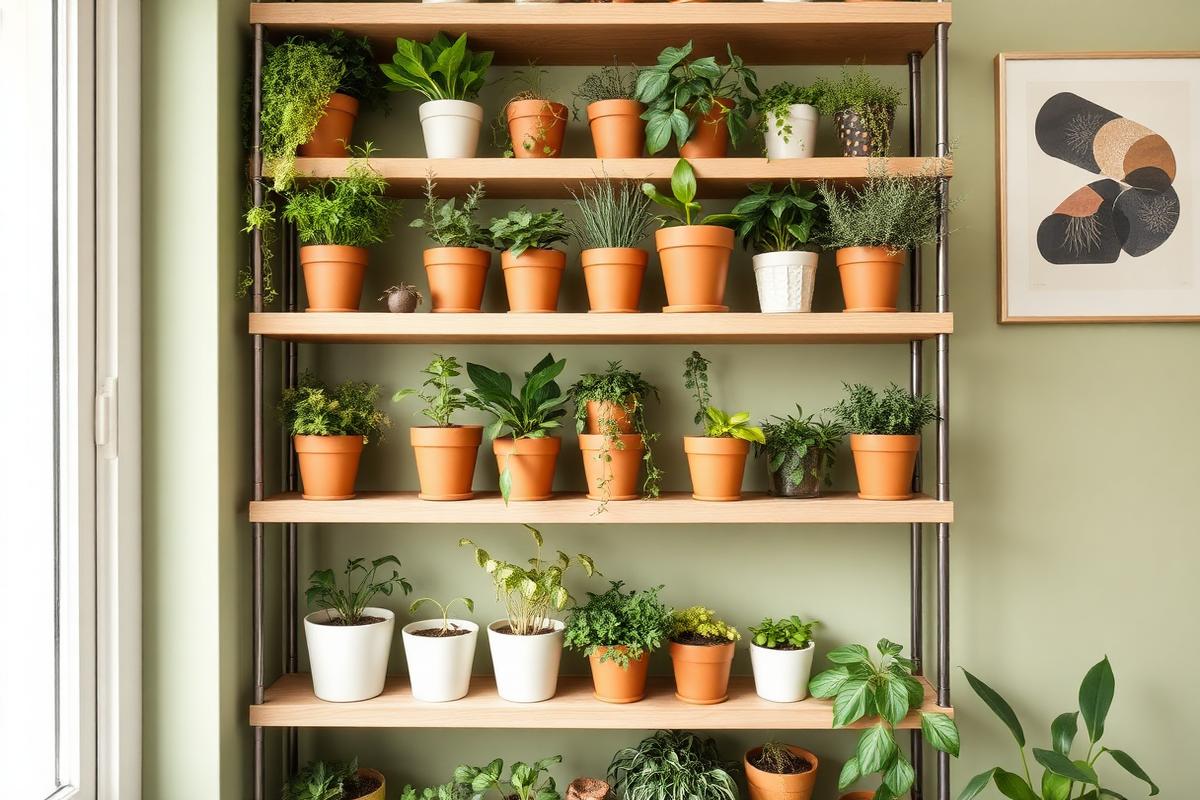
Apartment gardening is mostly a spatial puzzle. Once you find the surfaces you are willing to give up, the growing part is the same as anywhere else.
Find your growing surfaces
- Windowsills — best natural light, limited depth
- Countertop ends — convenient for herbs you cook with
- A bookshelf or trolley — the most flexible option with a clip-on light
- Wall-mounted rails — good for lightweight pots in tight kitchens
Protect the surfaces you use
Trays under every container are the difference between a tidy setup and a water-stained sill. A waterproof mat also helps when repotting indoors.
Keep the footprint honest
A small garden that stays tidy is more likely to survive than an ambitious one that takes over the kitchen. Two or three containers is a reasonable first stage.
Go vertical when the floor is full
Stacked shelves with a light under each level multiply growing area without adding floor space. See our small-space gardening category for more layouts.
Building a renter-friendly setup, step by step
- 1. Choose a narrow shelving unit, roughly 24-32 inches wide and 12 inches deep, so it fits a hallway, corner or beside a sofa.
- 2. Line each shelf with a waterproof tray or boot tray to catch drips — this is what protects a deposit.
- 3. Clip or cable-tie an LED bar to the underside of each shelf above the plants; no drilling and no fixings in the walls.
- 4. Run all lights into one timer plug so the whole unit switches together.
- 5. Keep pots at 5-8 inches so the loaded shelf stays light enough to move on cleaning day.
- 6. Water at the sink, let pots drain for ten minutes, then return them. This avoids spills entirely.
Space-per-crop planning
- A 8x12in microgreens tray: a harvest every 8-14 days.
- Two 6-inch herb pots: enough basil and chives for regular cooking.
- One 10-inch salad pot: a side salad every few days once mature.
- One 12-inch pot for a dwarf tomato: needs the brightest shelf and roughly 16 inches of headroom.
A real example: a studio apartment
In a studio, a three-shelf unit beside the kitchen holds microgreens on top, herbs in the middle and a salad pot below, taking up about 3 square feet of floor. Two LED bars on one timer run 07:00-20:00. It supplies herbs daily and salad weekly, and the whole thing can be carried out of a room in three trips at the end of a lease.
Frequently asked questions
More answers across every topic live on our indoor gardening FAQ.
The Growing Nook Editors
Editorial team
The Growing Nook editors write beginner-friendly indoor gardening guides based on small-space growing: windowsill herbs, salad pots, microgreen trays and shelf setups under LED lights. Every method here is written to be repeatable in an ordinary apartment or kitchen.
Related reading
Indoor Gardening for Beginners: How to Start Your First Garden
A calm, step-by-step starting point: what to grow first, what you actually need to buy, and how to set up a small indoor garden you can keep alive.
9 min read
10 Easy Vegetables You Can Grow Indoors
Ten realistic container vegetables for a windowsill, shelf or countertop, with what each one needs and how much space to set aside.
8 min read
Best Herbs to Grow Indoors Year-Round
A shortlist of kitchen herbs that stay productive inside, plus placement, harvesting and how to keep a herb from going leggy.
7 min read
Enjoyed this guide?
Get occasional indoor gardening tips and inspiration by email.