Best Herbs to Grow Indoors Year-Round
A shortlist of kitchen herbs that stay productive inside, plus placement, harvesting and how to keep a herb from going leggy.
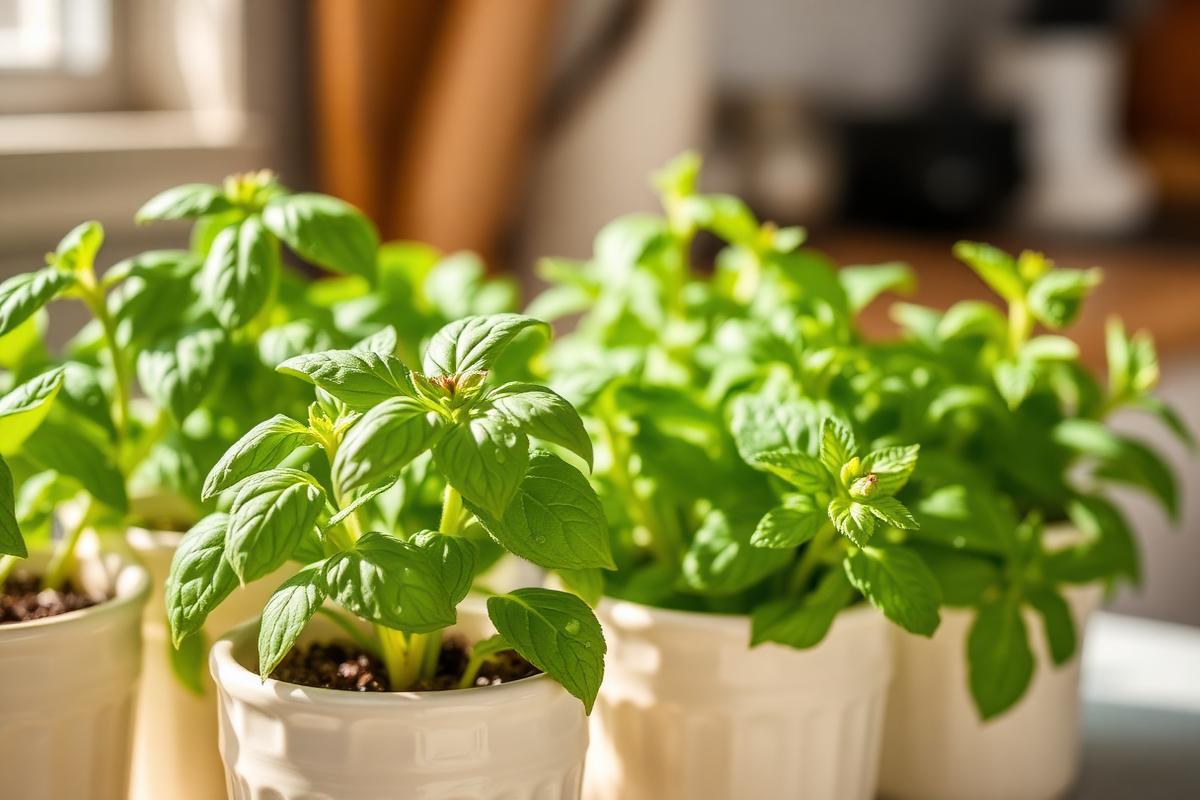
Herbs are the natural starting point for an indoor edible garden. They are compact, tolerant of container life, and used in small amounts, so even a modest plant feels useful.
Reliable indoor herbs
- Basil — warmth-loving and fast, but needs bright light
- Mint — vigorous and forgiving; keep it in its own pot
- Chives — compact and quick to regrow after cutting
- Parsley — steady and tolerant of moderate light
- Thyme — prefers drier soil and good drainage
- Oregano — handles a sunny sill well
Where to put them
Most culinary herbs originate in bright, warm conditions. A sunny sill is ideal; a shelf with a small LED light is the common alternative. Keep pots off cold glass in winter and away from heating vents.
Harvesting keeps plants productive
Regular light harvesting encourages bushier growth. Pinch basil above a leaf pair rather than stripping single leaves from the bottom, and cut chives near the base.
Why herbs go leggy
Long stems with widely spaced leaves usually mean the plant is reaching for light. Move it closer to the window, lower the grow light, or increase daily light hours.
Starting a herb from seed, step by step
- 1. Fill a 5- to 6-inch pot with damp potting mix; one pot per herb, since their watering needs differ.
- 2. Sow a small pinch of seed on the surface and cover with a quarter inch of mix. Basil germinates in 5-10 days at normal room temperature.
- 3. Keep the surface damp until seedlings emerge, then let the top 1 inch dry between waterings.
- 4. Thin to the three strongest seedlings per pot at around 1.5 inches tall.
- 5. Pinch the growing tip above the second leaf pair when the plant reaches 6 inches. Repeat every two to three weeks.
A year-round kitchen herb rotation
- Perennials that stay put: chives, thyme, oregano and mint carry on for years in the same pot with an annual trim and a fresh top-dressing of mix.
- Annuals to resow: basil, cilantro and dill run out of steam in three to four months, so start a replacement pot each season.
- Winter adjustment: from November to February most homes lose several hours of usable light, so run an LED 12-14 hours a day or accept slower, smaller growth.
A real example: the two-pot herb sill
A dependable minimum setup is one pot of chives and one of basil on a south or west sill. The chives tolerate neglect and regrow within two weeks of a hard cut near the base; the basil demands warmth, daily attention and frequent pinching. Between them they cover most weeknight cooking, and the contrast teaches you what a thirsty plant and a tough plant each look like.
Frequently asked questions
More answers across every topic live on our indoor gardening FAQ.
The Growing Nook Editors
Editorial team
The Growing Nook editors write beginner-friendly indoor gardening guides based on small-space growing: windowsill herbs, salad pots, microgreen trays and shelf setups under LED lights. Every method here is written to be repeatable in an ordinary apartment or kitchen.
Related reading
How to Grow Microgreens Indoors
Microgreens are the fastest way to harvest something you grew yourself. Here is the basic tray method, start to finish.
6 min read
Indoor Gardening for Beginners: How to Start Your First Garden
A calm, step-by-step starting point: what to grow first, what you actually need to buy, and how to set up a small indoor garden you can keep alive.
9 min read
10 Easy Vegetables You Can Grow Indoors
Ten realistic container vegetables for a windowsill, shelf or countertop, with what each one needs and how much space to set aside.
8 min read
Enjoyed this guide?
Get occasional indoor gardening tips and inspiration by email.