How to Start an Indoor Garden With Very Little Natural Light
North-facing windows, basement apartments and shaded rooms are workable. Here is how to plan a low-light indoor garden.
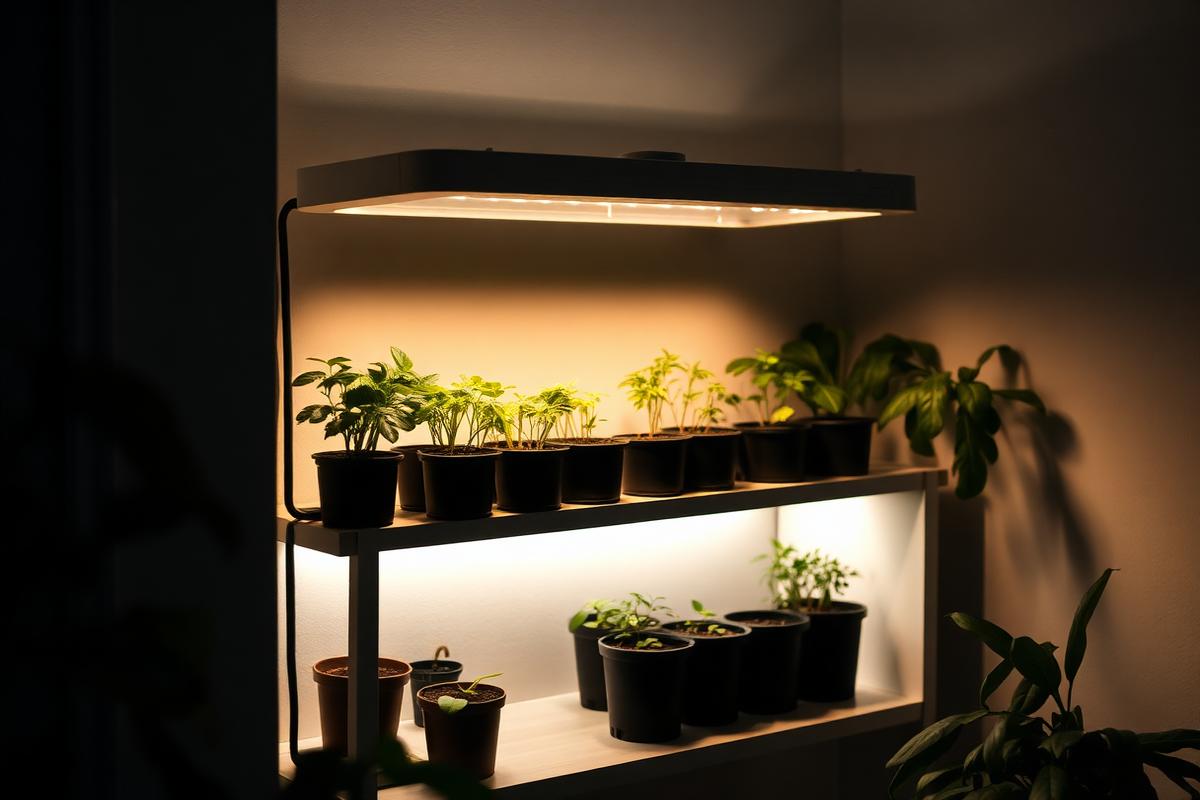
A dim home rules out a few crops, not indoor gardening as a whole. The approach is simply to supply the light yourself and to choose plants that cope with less of it.
Assess what you have
Spend a day noting which surfaces get any direct sun and for how long. Even a couple of bright hours changes what is possible on a given sill.
Choose low-light-tolerant edibles
- Mint and parsley tolerate less light than basil
- Salad greens grow acceptably in moderate light, though more slowly
- Microgreens are harvested so young that light demand stays modest
- Green onions regrow reliably in undemanding conditions
Add a light and a timer
A compact LED fixture over a shelf turns an unusable corner into the best growing spot in the home, because you control the schedule rather than the weather.
Reflect what you have
Light-colored walls, a white tray, or a simple reflective backing behind a shelf return stray light to the plants at no cost.
Setting up a low-light corner, step by step
- 1. Pick any flat surface away from radiators — a bookshelf, side table or the top of a cabinet. Natural light is no longer part of the plan.
- 2. Fit a full-spectrum LED bar or clip lamp 8-10 inches above the pots, on an adjustable mount.
- 3. Put it on a timer for 14 hours a day; consistency matters more than intensity for herbs and greens.
- 4. Add a reflective backdrop — white card or foil-faced board — behind the shelf to push stray light back onto the leaves.
- 5. Start with shade-tolerant crops: mint, parsley, chives, lettuce, arugula, pak choi and any microgreens.
- 6. Water less than you think. Cool, dim rooms dry slowly, so check with a finger before every watering.
What genuinely will not work
Being honest about this saves money. Tomatoes, peppers, chiles, eggplants and rosemary will survive under a small light but rarely produce anything worth eating in a dim room. Sun-loving Mediterranean herbs stretch and thin out. If those are the goal, budget for a proper fruiting-strength fixture rather than a desk lamp.
A real example: a north-facing apartment
A north-facing living room with one window gets bright shade at best. A working setup is a 2-foot shelf, one 24W full-spectrum bar running 06:00-20:00, and four pots: mint, parsley, a lettuce pot resown monthly, and a microgreens tray cycled every 10 days. That corner produces salad and herbs all winter without a single hour of direct sun.
Frequently asked questions
More answers across every topic live on our indoor gardening FAQ.
The Growing Nook Editors
Editorial team
The Growing Nook editors write beginner-friendly indoor gardening guides based on small-space growing: windowsill herbs, salad pots, microgreen trays and shelf setups under LED lights. Every method here is written to be repeatable in an ordinary apartment or kitchen.
Related reading
How to Choose a Grow Light for Indoor Plants
Plain-language guidance on grow light types, brightness, color and placement, so you can pick something suitable without decoding spec sheets.
8 min read
Indoor Gardening for Beginners: How to Start Your First Garden
A calm, step-by-step starting point: what to grow first, what you actually need to buy, and how to set up a small indoor garden you can keep alive.
9 min read
10 Easy Vegetables You Can Grow Indoors
Ten realistic container vegetables for a windowsill, shelf or countertop, with what each one needs and how much space to set aside.
8 min read
Enjoyed this guide?
Get occasional indoor gardening tips and inspiration by email.